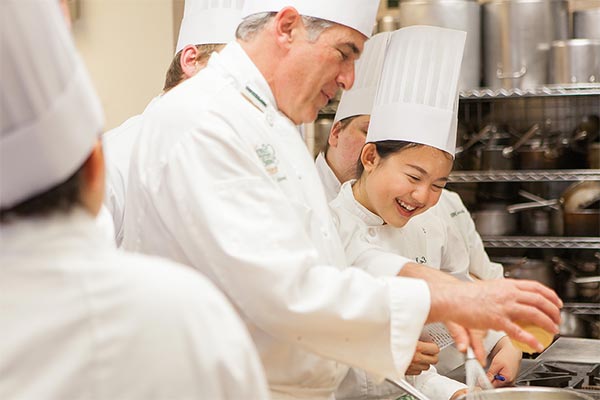

In today’s vibrant culinary landscape, the role of the chef transcends the simple preparation of food. A chef embodies creativity, leadership, and dedication—an artisan who transforms raw ingredients into expressions of culture, emotion, and innovation. The chef’s journey is one of rigorous training, perpetual learning, and an unyielding passion for the culinary arts. This article delves into the multifaceted world of the modern chef, exploring their evolving responsibilities, the skills that define mastery, and the profound impact they have on dining experiences across the globe.
The Chef’s Role: Beyond the Kitchen
At first glance, one might assume a chef’s primary responsibility is cooking. While the culinary craft remains central, a chef’s role encompasses much more. From managing kitchen teams to designing menus and sourcing ingredients, the chef is both an artist and an executive.
Key Responsibilities of a Chef
-
Culinary Innovation: Developing recipes that balance tradition with contemporary trends and personal flair.
-
Team Leadership: Guiding sous chefs, line cooks, and kitchen staff to work in harmony, maintaining quality and efficiency.
-
Quality Control: Ensuring every dish leaving the kitchen meets exacting standards of taste, presentation, and consistency.
-
Inventory and Sourcing: Selecting fresh, sustainable ingredients and managing stock to optimize kitchen operations.
-
Customer Experience: Collaborating with front-of-house staff to ensure the culinary vision aligns with guest expectations.
The Path to Becoming a Chef: Dedication and Discipline
Becoming a chef requires more than a passion for food; it demands discipline, education, and resilience. Many chefs begin their journey in culinary schools, where they acquire foundational knowledge in cooking techniques, food safety, and kitchen management.
Steps in a Chef’s Professional Development
-
Formal Education: Culinary programs provide training in classic techniques, flavor profiles, and global cuisines.
-
Apprenticeships and Internships: Hands-on experience in professional kitchens is essential for mastering timing, multitasking, and teamwork.
-
Specialization: Many chefs focus on particular culinary traditions, pastry arts, or niche cooking styles.
-
Continuous Learning: The best chefs remain students of their craft, experimenting with new ingredients, technologies, and presentation methods.
The Artistic Dimension: Creativity Meets Precision
Cooking, in the hands of a skilled chef, becomes a form of artistic expression. The interplay of colors, textures, and flavors is carefully orchestrated to evoke emotion and create memorable dining moments.
Elements of Culinary Creativity
-
Flavor Harmony: Balancing sweet, salty, bitter, and umami notes to create nuanced dishes.
-
Visual Presentation: Using plating techniques to enhance the aesthetic appeal and storytelling of each course.
-
Inspiration Sources: Drawing from cultural heritage, seasonal ingredients, and personal experiences.
-
Innovation: Incorporating modern techniques such as molecular gastronomy or fusion cuisine to surprise and delight.
The Chef’s Influence on Culture and Society
Chefs today are not only artisans but also cultural ambassadors and influencers. Through their cuisine, they celebrate heritage, challenge norms, and foster social connections.
-
Preserving Tradition: Many chefs dedicate themselves to reviving and sustaining indigenous recipes and culinary practices.
-
Global Fusion: The blending of culinary traditions creates new, hybrid dishes that reflect an interconnected world.
-
Sustainability Advocates: Conscious sourcing and waste reduction have become central concerns for socially responsible chefs.
-
Community Engagement: Chefs often participate in charitable initiatives, food education, and advocacy for healthier eating.
Challenges Faced by Modern Chefs
The culinary profession is demanding, both physically and mentally. Long hours, high pressure, and the constant need for innovation create a challenging environment.
Common Challenges
-
Stress and Burnout: The intense pace of kitchen work can lead to fatigue and mental strain.
-
Maintaining Consistency: Ensuring each dish meets the same high standard during busy service times.
-
Adapting to Trends: Staying relevant while balancing authenticity and innovation.
-
Balancing Creativity and Practicality: Creating exciting menus that are feasible within budget and kitchen capabilities.
The Rise of Celebrity Chefs and Media Influence
In recent decades, the image of the chef has expanded beyond the kitchen into popular culture. Television shows, social media, and cookbooks have transformed chefs into celebrities and influencers.
-
Culinary Personalities: Figures like Julia Child, Gordon Ramsay, and Massimo Bottura have become household names.
-
Media as a Platform: Chefs use media to educate, inspire, and build brands that extend beyond restaurants.
-
Impact on Public Perception: Increased visibility has elevated the status of the culinary profession and inspired new generations.
Essential Qualities That Define a Great Chef
While technical skills and creativity are vital, certain personal attributes distinguish exceptional chefs.
-
Passion: A genuine love for food and cooking drives continual improvement.
-
Discipline: Precision and consistency require meticulous attention to detail.
-
Resilience: The ability to persevere through challenges and high-pressure environments.
-
Leadership: Inspiring and managing teams with empathy and authority.
-
Curiosity: A hunger for knowledge, experimentation, and cultural exploration.
Conclusion: The Chef as an Artisan and Innovator
The modern chef stands at the crossroads of tradition and innovation, skill and creativity, leadership and artistry. They are more than cooks—they are storytellers, cultural custodians, and visionaries who craft experiences that delight the palate and enrich the soul. Their work resonates far beyond the kitchen, influencing how we connect, celebrate, and appreciate the diverse tapestry of global cuisine. In an ever-evolving culinary world, the chef’s role remains a timeless testament to the power of food as a universal language of passion, precision, and pleasure.