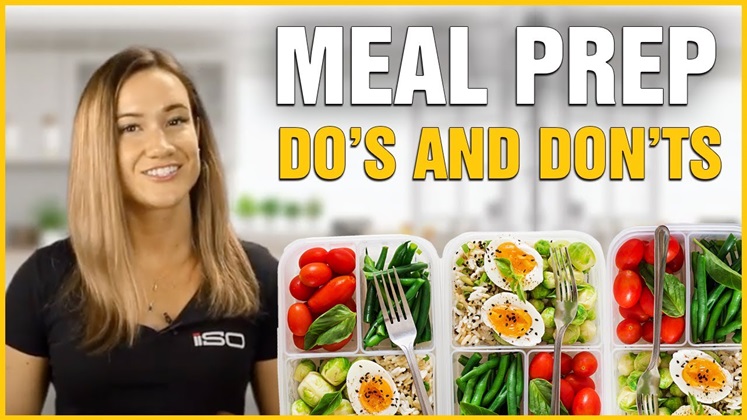

Recipes are much more than mere instructions—they are the heartbeat of culinary tradition, the blueprint for creativity, and the bridge connecting cultures across time and space. A well-crafted recipe not only guides the preparation of food but also tells a story, evokes memories, and inspires innovation in the kitchen. As the culinary world evolves, recipes continue to serve as invaluable tools for both novice cooks and seasoned chefs alike. This article explores the multifaceted nature of recipes, their role in preserving heritage, and how they fuel the ever-changing art of cooking.
The Essence of a Recipe: Beyond Ingredients and Steps
At its core, a recipe is a detailed guide outlining the ingredients, quantities, and techniques necessary to prepare a particular dish. However, the true essence of a recipe lies deeper—it embodies cultural identity, personal experience, and creative potential.
What Makes a Recipe More Than Instructions?
-
Cultural Storytelling: Recipes carry the essence of a region’s history, climate, and traditions.
-
Emotional Connection: Many recipes are passed down through generations, evoking nostalgia and family bonds.
-
Creative Framework: While providing structure, recipes leave room for interpretation and personal flair.
The Anatomy of a Perfect Recipe
Understanding the components of an effective recipe is key to both following and creating one that delivers consistent and satisfying results.
Key Elements
-
Clear Ingredient List: Precisely measured items that avoid ambiguity.
-
Step-by-Step Instructions: Logical sequencing with concise, easy-to-follow directions.
-
Cooking Times and Temperatures: Specific guidance to ensure optimal results.
-
Serving Suggestions: Recommendations on plating, garnishes, or complementary dishes.
-
Tips and Variations: Optional adaptations to accommodate dietary preferences or ingredient availability.
Preserving Culinary Heritage Through Recipes
Recipes serve as living archives, preserving the unique flavors and techniques of diverse cultures. They safeguard traditional knowledge while allowing new generations to connect with their roots.
Examples of Cultural Preservation
-
Family Heirlooms: Handwritten recipe cards or oral instructions passed from grandparents to grandchildren.
-
Regional Specialties: Dishes like Italian risotto, Japanese sushi, or Moroccan tagine that define a locality’s gastronomic identity.
-
Festive Foods: Recipes tied to holidays and celebrations that foster communal bonds and rituals.
Recipes as Catalysts for Innovation
Though rooted in tradition, recipes also inspire culinary experimentation and evolution. They provide a foundation from which cooks can innovate and personalize.
Ways Recipes Encourage Creativity
-
Ingredient Substitution: Adapting recipes to include local or seasonal produce.
-
Technique Variation: Applying different cooking methods to classic dishes.
-
Fusion Cuisine: Combining elements from diverse culinary traditions to create novel flavors.
-
Presentation Reimagination: Transforming the aesthetics of a dish while retaining its essence.
The Digital Age and the Evolution of Recipes
With the advent of the internet and digital media, the way recipes are shared and consumed has transformed dramatically.
Modern Recipe Sharing Platforms
-
Food Blogs and Websites: Offering vast, searchable databases often enriched with personal anecdotes and high-quality photography.
-
Video Tutorials: Platforms like YouTube provide step-by-step visual guidance, making complex techniques accessible.
-
Social Media: Instagram, TikTok, and Pinterest serve as quick sources of inspiration through short-form content and viral trends.
-
Recipe Apps: Allowing users to customize, save, and organize recipes conveniently.
Crafting Your Own Recipes: Tips for Aspiring Cooks
Creating a recipe is an empowering way to share your culinary voice and contribute to the collective gastronomic tapestry.
Steps to Develop Your Unique Recipe
-
Start with a Concept: Define the dish’s purpose, flavor profile, and target audience.
-
Test and Refine: Experiment with ingredient ratios and cooking times, making adjustments based on taste and texture.
-
Document Precisely: Record every detail to ensure reproducibility.
-
Solicit Feedback: Share with friends or family to gain perspective and improve.
-
Present Clearly: Use engaging language and consider including serving ideas or nutritional information.
The Role of Recipes in Education and Skill Building
Recipes act as practical lessons that teach cooking fundamentals, build confidence, and inspire lifelong learning.
-
Stepwise Learning: Breaking down complex processes into manageable parts.
-
Building Technique: Repetition through recipes enhances skills such as chopping, seasoning, and timing.
-
Encouraging Exploration: Exposure to diverse cuisines broadens culinary horizons and cultural appreciation.
Challenges and Considerations in Using Recipes
While recipes are invaluable, it’s important to approach them with flexibility and mindfulness.
-
Individual Taste Variability: Adjust seasoning and ingredients to suit personal preference.
-
Ingredient Availability: Be creative when substitutions are necessary due to local constraints.
-
Cooking Equipment: Different appliances may alter cooking times and outcomes.
-
Dietary Restrictions: Modify recipes to accommodate allergies, intolerances, or lifestyle choices without compromising flavor.
Conclusion: Embracing Recipes as Living Culinary Artifacts
Recipes are much more than static text; they are dynamic, evolving expressions of culture, creativity, and connection. Whether meticulously preserved family secrets or cutting-edge culinary inventions, recipes enable us to explore, experiment, and enjoy the profound pleasures of cooking. By understanding their depth and versatility, we can appreciate recipes not just as guides, but as invitations—welcoming us into a world of endless gastronomic possibility and shared human experience. In the kitchen, every recipe is a story waiting to be told, a journey to be embarked upon, and a celebration of the art and science of food.