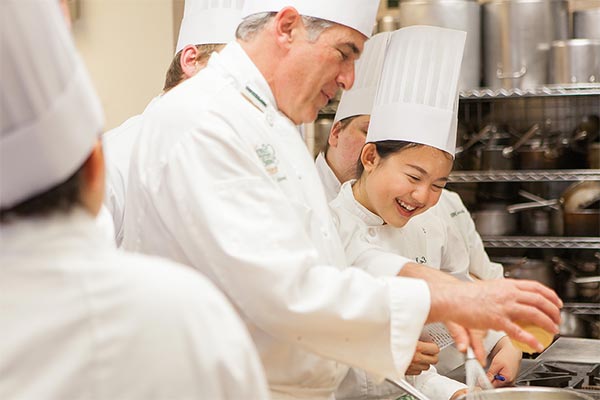

In the ever-evolving world of gastronomy, the figure of the chef stands as a beacon of creativity, skill, and dedication. More than just a cook, a chef is an artist, leader, and innovator who transforms simple ingredients into unforgettable experiences. The journey of becoming a chef is demanding, shaped by relentless discipline and a deep love for the culinary craft. This article explores the many facets of the chef’s role, from their technical mastery and creative vision to their influence on culture and society.
Defining the Role of a Chef in Modern Cuisine
The term “chef” originates from the French phrase chef de cuisine, meaning the head of the kitchen. Today, the role has expanded beyond mere leadership in food preparation to encompass responsibilities in menu development, team management, and guest satisfaction.
Core Responsibilities
-
Culinary Expertise: Crafting dishes that balance taste, texture, and presentation.
-
Team Leadership: Directing kitchen staff to ensure smooth, efficient operations.
-
Menu Innovation: Creating seasonal and concept-driven menus that reflect current trends and local ingredients.
-
Quality Assurance: Maintaining consistent standards for every dish served.
-
Supplier Relations: Selecting and sourcing premium ingredients that meet the chef’s vision and ethical standards.
The Rigorous Path to Mastery
Becoming a chef is not an overnight achievement. It requires years of study, practice, and on-the-job experience. Many aspiring chefs attend culinary schools, where they learn the foundational techniques, food science, and kitchen management essential to their craft.
Key Milestones in Culinary Training
-
Formal Education: Training in knife skills, cooking methods, food safety, and nutrition.
-
Apprenticeships: Hands-on experience in bustling kitchens, learning under seasoned professionals.
-
Specialization: Developing expertise in specific cuisines such as French, Japanese, or Italian, or focusing on pastry, butchery, or other culinary arts.
-
Continuous Learning: Engaging with emerging culinary trends and experimenting with new flavors and presentations.
The Chef as an Artist: Creativity Meets Technique
At its core, cooking is an art form, and chefs are its creators. The delicate interplay of flavor, aroma, and texture is crafted with as much care as a painter applying strokes to a canvas.
The Artistic Process
-
Flavor Profiling: Understanding how ingredients complement or contrast to create depth.
-
Visual Composition: Employing plating techniques that delight the eye and invite anticipation.
-
Cultural Inspiration: Drawing upon heritage, travel, and seasonal bounty to inform dishes.
-
Innovation: Pushing boundaries through molecular gastronomy, fusion cuisines, and modern cooking technologies.
Leadership and Management: The Chef as a Conductor
The kitchen operates much like an orchestra, and the chef is its conductor. Leading a team of cooks, sous chefs, and assistants requires more than culinary skill; it demands emotional intelligence, clear communication, and decisiveness.
-
Mentorship: Nurturing young talent and fostering a collaborative environment.
-
Crisis Management: Handling the pressures of service with calm and efficiency.
-
Time Management: Coordinating simultaneous tasks to ensure timely delivery of courses.
-
Maintaining Morale: Balancing discipline with respect to keep motivation high.
The Chef’s Role in Cultural Preservation and Innovation
Chefs are custodians of culinary heritage and pioneers of new gastronomic frontiers. They bridge past and present, honoring traditions while crafting fresh narratives on the plate.
-
Preservation of Traditions: Reviving age-old recipes with modern techniques.
-
Global Fusion: Blending international flavors to create unique culinary experiences.
-
Sustainability: Advocating for responsible sourcing and minimizing waste.
-
Community Engagement: Using food as a means of education and social connection.
Challenges and Rewards in the Culinary Profession
The life of a chef is often intense, marked by long hours and high expectations. Yet, for many, the rewards far outweigh the hardships.
Common Challenges
-
Physical Demands: Enduring long, fast-paced shifts that test stamina.
-
High Stress: Maintaining precision and creativity under pressure.
-
Work-Life Balance: Managing personal life around demanding schedules.
-
Industry Competition: Standing out in a saturated market of culinary talent.
Rewards
-
Creative Fulfillment: The joy of bringing a vision to life through food.
-
Cultural Impact: Influencing taste, trends, and dining culture.
-
Personal Growth: Developing leadership, discipline, and resilience.
-
Recognition: Achieving accolades, media presence, and loyal followings.
The Rise of the Celebrity Chef and Media Influence
In recent decades, the public persona of the chef has dramatically transformed. With the advent of television cooking shows, social media, and food festivals, chefs have become household names and influential cultural figures.
-
Media Platforms: Using TV, YouTube, and Instagram to share recipes, techniques, and stories.
-
Brand Building: Expanding beyond the kitchen into restaurants, cookbooks, and product lines.
-
Influence on Public Taste: Educating and inspiring audiences to explore new cuisines and cooking styles.
Essential Qualities That Define Exceptional Chefs
While skills and training are fundamental, certain intangible qualities distinguish truly great chefs.
-
Passion: A deep, unwavering love for the culinary arts.
-
Curiosity: An eagerness to explore, experiment, and evolve.
-
Discipline: Commitment to precision, hygiene, and excellence.
-
Resilience: The ability to persevere through setbacks and demanding conditions.
-
Humility: Openness to feedback and continuous improvement.
Conclusion: The Chef as a Culinary Visionary
The role of the chef is a delicate balance between science and art, tradition and innovation, leadership and creativity. As architects of flavor and experience, chefs have the power to shape not only what we eat but how we connect with food and each other. Their craft requires passion, dedication, and an unyielding quest for excellence—qualities that make the culinary profession as inspiring as it is demanding. In every dish prepared and every kitchen led, the modern chef continues to redefine what it means to nourish body and soul.